Roundabouts

Roundabout rule of thumb 

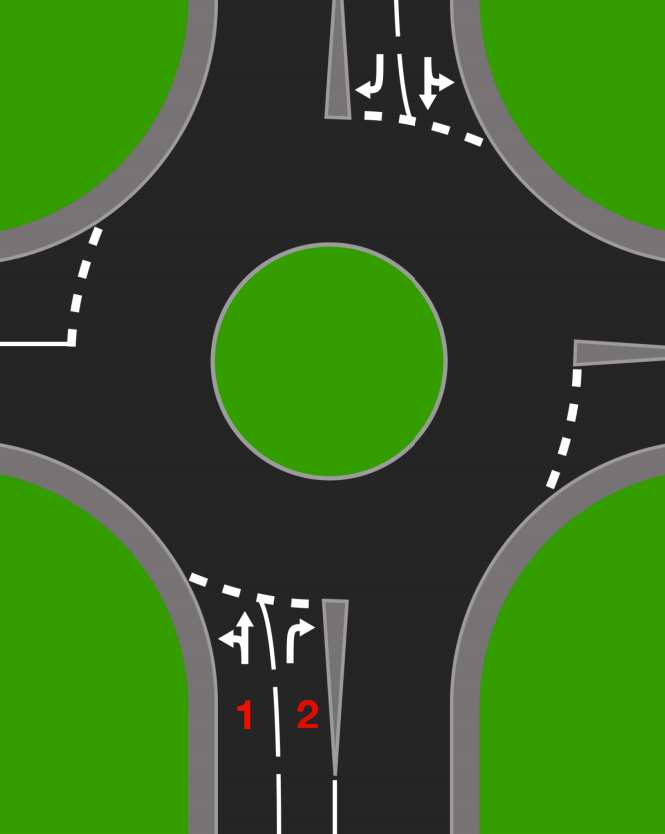
Lane 1 – Straight ahead or left. Lane one is used for taking the first exit which is left 

or taking the second exit which on the diagram above is ahead. 

Lane 2 – Right. Lane 2 is for taking the third exit which on the diagram above is right 

The above diagram shows a roundabout with three exits. There are however 

different roundabouts with more than three exits and occasionally there are more 

than two lanes on the approach. When there are more lanes or if you are required to 

use a different lane for the exit you require there will be road markings (arrows) 

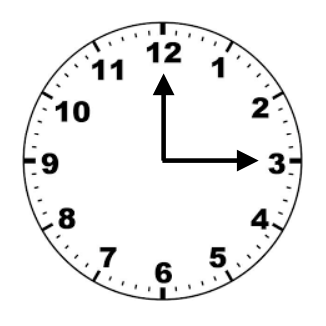
which will help to direct you. When deciding where each exit is we us a clock face 

meaning any exit that is well past twelve o’clock is right unless stated otherwise.

Similar Posts

  • Common Driving Test Examiner Phrases (UK)

    These are typical phrases used by a DVSA driving examiner during a UK practical driving test. Familiarising yourself with this language can help you feel more relaxed and prepared on the day of your test. Start of the Test “Hello, my name is … and I’ll be your examiner today.” General Driving Directions “At the…

  • Mental Health

    Mental Health When the clock turned to midnight on the 1st of January 2020 as usual I sent messages to friends and family wishing them a very happy new year. Like many other people I was hoping for another fantastic year,  being able to meet new people,  move house and potentially meet someone, then lockdown…

  • Motorway Studs – Meanings and Locations

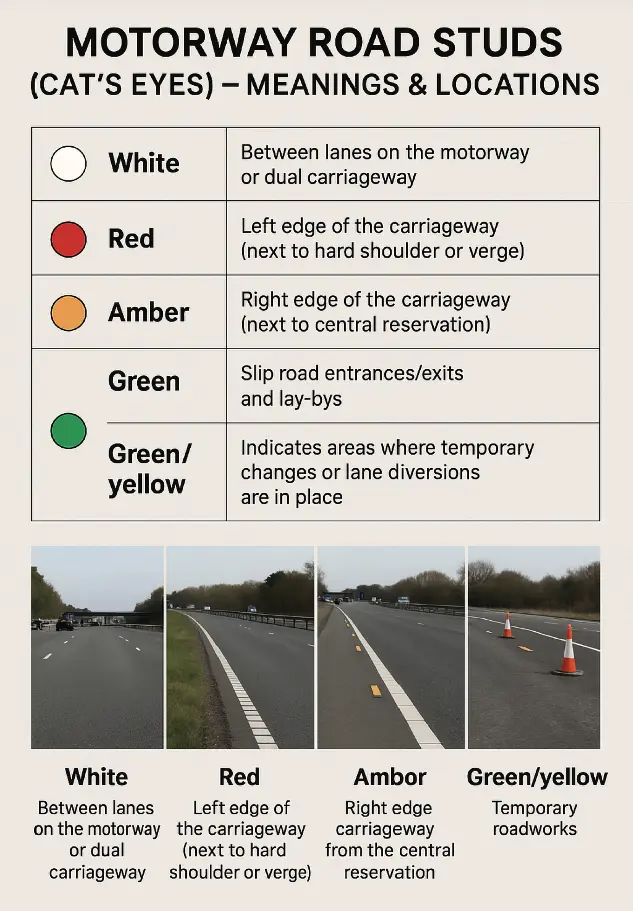
    Motorway Studs – Meanings and Locations BLUE Location: Between the carriageway and the hard shoulder where there is and emergency telephone. Meaning: Indicates emergency telephone areas. RED Location: On the left edge of the motorway (between the left lane and the hard shoulder). Meaning: Marks to left-hand edge of the carriageway. Avoid crossing, unless in…

  • THE DANGER OF SPEEDING

    THE DANGER OF SPEEDING Why driving too fast puts lives at risk LESS TIME TO REACTSpeeding reduces the time you have to react to unexpected hazards-like pedestrians, animals, or sudden traffic changes. LONGER STOPPING DISTANCEThe faster you drive, the longer it takes to stop. This increases the chances of a crash. GREATER IMPACT FORCECollisions at…

  • Pedestrian Crossings: Types, Tips, and Safety Information

    Pedestrian Crossings: Types, Tips, and Safety Information 1. Zebra Crossing Appearance – Black and white stripes with flashing, amber beacons.When you see it: In urban areas near schools and shops. Hints and Tips:• Slow down and prepared to stop for pedestrians waiting to cross.• Pedestrians have priority once on the crossing.What Not to Do:• Do…

  • Diving test Nerves

    Diving test Nerves We all suffer from nerves at some point in our lives whether we are required to do a presentation, stand up in front of a class room full of people, meet a stranger for the test time or take a driving test. Suffering from nerves and feeling sick or anxious before a…